



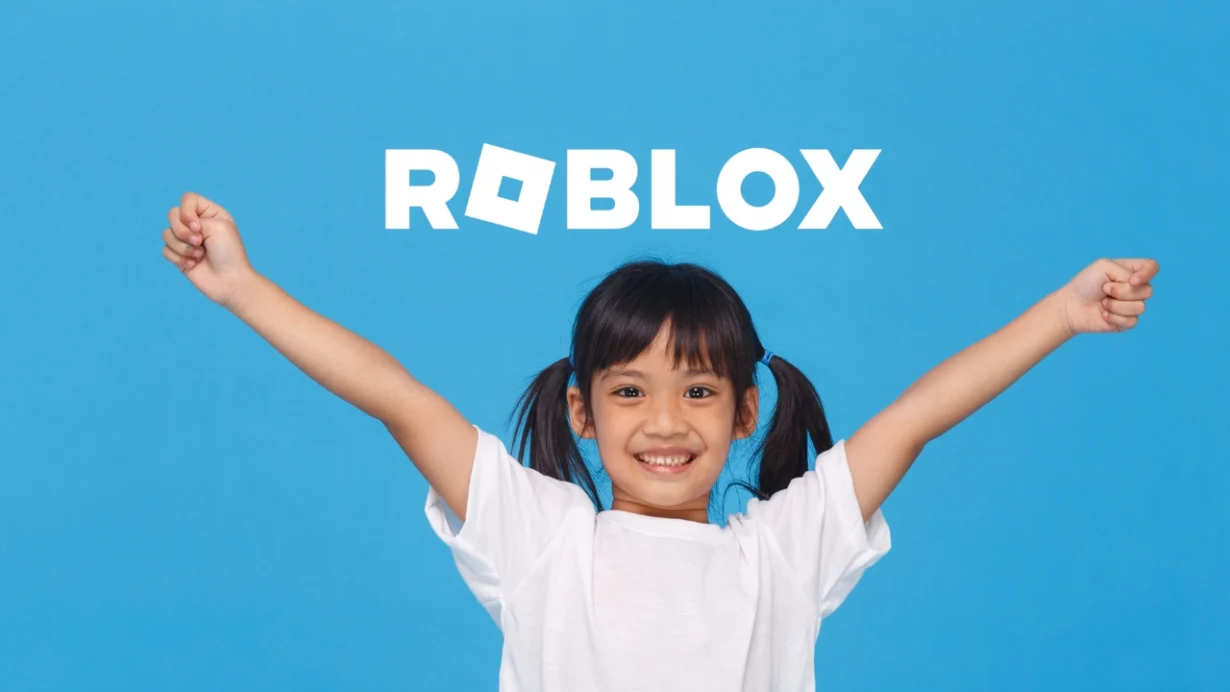
The Attorney General of Texas, Ken Paxton, has officially filed a lawsuit against Roblox Corporation, accusing the company of “deceiving parents” and “flagrantly ignoring online safety laws.” The legal action claims that Roblox — one of the world’s largest gaming platforms for children — has failed to protect young players from harmful and predatory behavior.
Allegations Against Roblox
In a public statement shared on social media, Paxton wrote:
“I’m suing Roblox for putting pixel pedophiles and profits over the safety of Texas children. We cannot allow platforms like Roblox to continue operating as digital playgrounds for predators where the well-being of our kids is sacrificed on the altar of corporate greed.”
Paxton argues that Roblox misleads parents into believing the platform is a safe environment for children, while in reality, it allegedly exposes them to inappropriate and exploitative content.
The lawsuit claims that Roblox, despite being a multi-billion-dollar company, has ignored both state and federal online safety laws, prioritizing profit over user protection.
Background and Context
This lawsuit follows a series of similar actions Paxton has taken against major tech companies, including TikTok and other large social media platforms, as part of his broader campaign to tighten online safety measures for minors in Texas.
Roblox, which allows users to create and play millions of user-generated games such as Grow a Garden and Steal a Brainrot, has grown into a massive global community. However, the Texas Attorney General argues that its popularity has also made it a “breeding ground for predators.”
Paxton’s statement accuses the company of failing to adequately moderate content and prevent predators from targeting children through its online experiences and chat systems.
Roblox Responds
In response to the lawsuit, Roblox told the BBC it was “disappointed” by the allegations, describing them as “misrepresentations and sensationalized claims.”
A Roblox spokesperson said the company shares the Attorney General’s commitment to child safety and has “implemented extensive measures to identify bad actors and protect users.”
According to Roblox’s most recent Safety Snapshot, the company claims to be constantly improving its moderation systems through advanced machine learning and open-source technology.
It highlighted its PII Classifier, a safety tool designed to detect and block attempts to share personally identifiable information. Roblox reported that English-language recall accuracy for detecting PII conversations has reached 98%, surpassing industry benchmarks.
The company also emphasized its transparency efforts, stating it now provides users with detailed feedback on reports and moderation actions — resulting in 250% more user feedback compared to previous years.
What This Means for Roblox
The lawsuit presents serious reputational and regulatory challenges for Roblox. While the platform remains a leader in the user-generated gaming space, concerns around child safety, moderation, and platform accountability continue to grow.
Legal experts suggest that even if Roblox prevails in court, the case could push the company — and the wider gaming industry — to adopt stricter safeguards and transparency measures for protecting minors online.
For now, Roblox maintains its stance that it’s doing more than ever to keep users safe. But with state authorities now involved, the company’s moderation policies will face unprecedented public scrutiny.
Final Thoughts
The Texas vs. Roblox lawsuit shines a spotlight on one of the most pressing issues in online gaming today — the balance between user freedom, profit, and child protection.
Whether this legal battle results in fines, reforms, or stricter oversight, one thing is certain: the conversation around safety in online gaming spaces is far from over.
As Roblox celebrates its continued success as a creative platform for millions of young players, it now faces the challenge of proving that safety and profit can — and must — coexist.